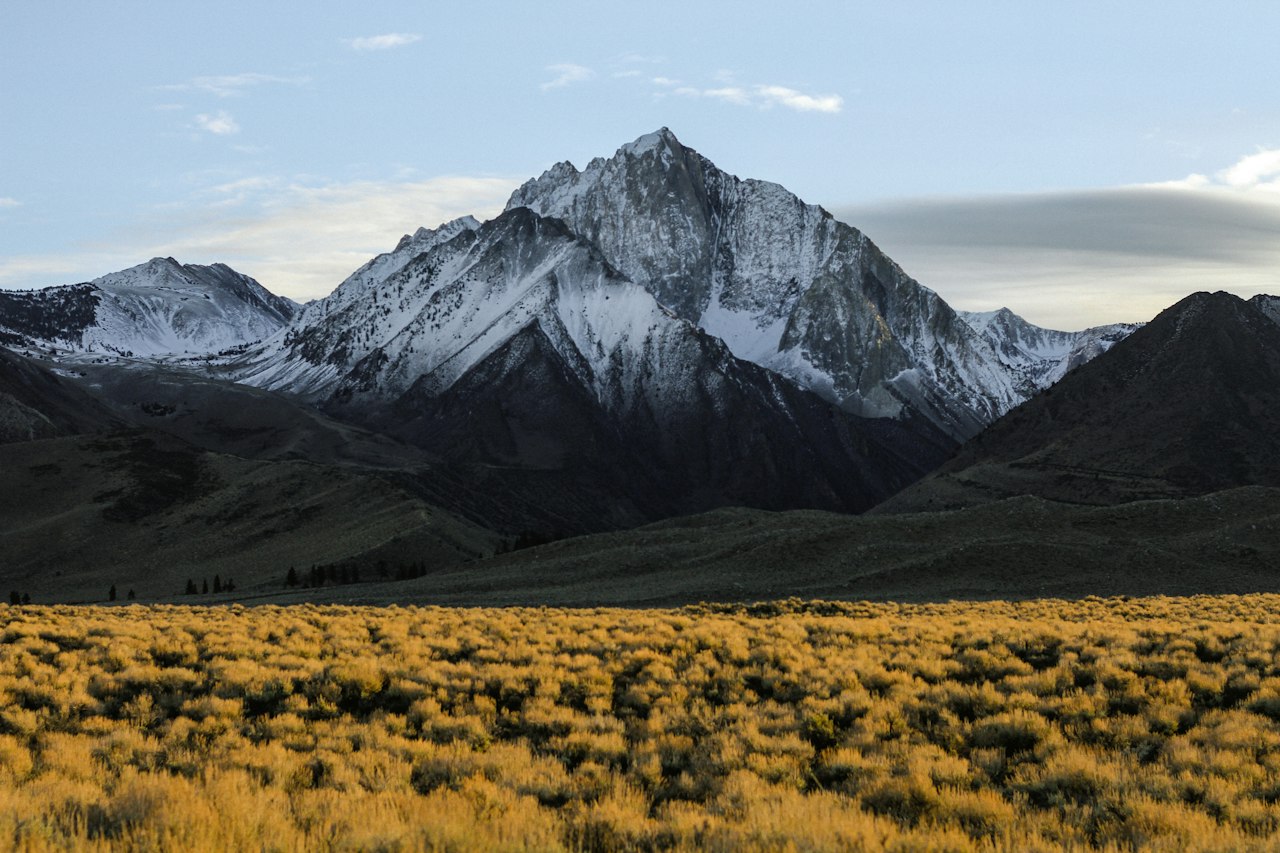
玉龙雪山冰川公园与扇子陡 Jade Dragon Snow Mountain & Glacier Park
玉龙雪山是纳西族人心中的保护神“三朵”的化身,十三座雪峰如巨龙横亘。搭乘全长2,914米的大索道,从海拔3,356米一路攀升至4,506米的冰川平台。沿着防滑木栈道徒步攀登至4,680米最高地标,主峰扇子陡(5,596m)如刀削银刃巍然耸立,第四纪现代冰川舌悬垂于眼前,令人屏息。 Sacred incarnation of the Naxi protector god Sanduo. The grand cableway lifts visitors from 3,356m to 4,506m in minutes. A wooden boardwalk extends to the 4,680m summit marker, confronting the unclimbed vertical precipice of Mount Shanzidou (5,596m) and gleaming seracs of Glacier No. 1.

蓝月谷与白水河台地 Blue Moon Valley & Baishui River
位于玉龙雪山山脚幽深峡谷中,由融雪之水汇成的白水河在这里舒缓流淌。湖底由白色石灰岩粉末沉积构成,因折射阳光与矿物成分,水质清澈见底,呈现如蓝宝石与孔雀翎毛般的纯正蔚蓝。由上至下形成玉液湖、镜潭湖、蓝月湖与听涛湖,阶梯状白色钙华梯田倒映雪峰,恍若世外仙境。 Nestled in the deep valley below Jade Dragon Mountain. The glacial meltwater cascades across natural white limestone and travertine terraces, creating a chain of four turquoise pools (Yuye, Jingtan, Lanyue, Tingtao). When the sun breaks through, the water gleams with an intense turquoise-cyan hue against the jagged dark fir forests.

大研古城与四方街 Dayan Old Town & Sifang Street
中国历史文化名城中唯一未设城墙的古都。纳西先民巧借自然地势,引玉泉水分西河、中河、东河三股入城,又分歧为无数细流,流经街巷宅院,形成“家家流水、户户垂杨、小桥频跨”的独特水城风貌。古城核心四方街开阔通达,石板路经数百年马帮踏踩磨砺出温润包浆,黄昏时分纳西阿妈常在此围圈跳阿哩哩乐舞。 The only historic capital without city walls. Masterful urban hydrologic engineering splits Jade Spring River into three arterial streams that branch into hundreds of household channels. Flagstone-paved Sifang Street served as the central trade bazaar of the Ancient Tea Horse Road, where horse caravans once exchanged Tibetan wool for Yunnan Pu'er brick tea.
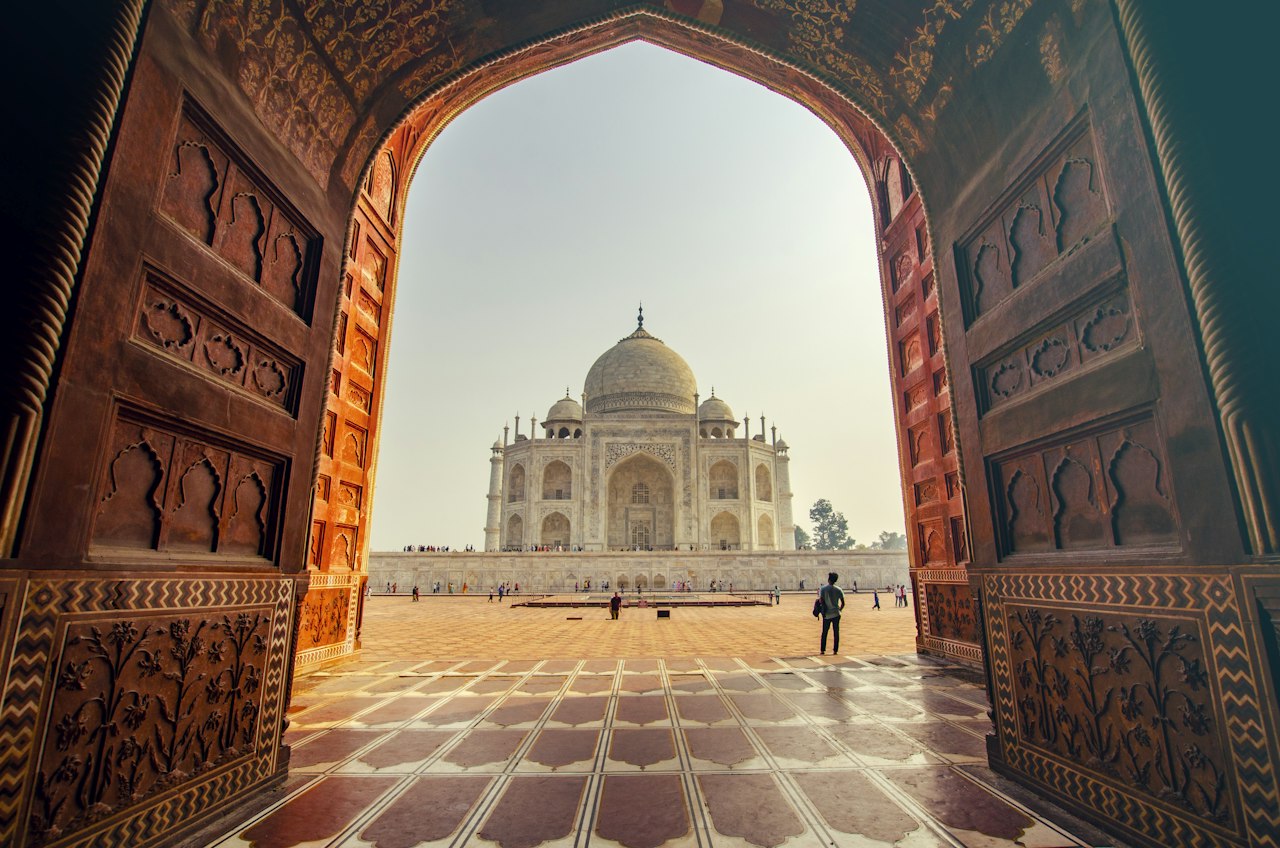
木府土司官署与三清殿 Mu Palace (Mu Tusi Residence)
徐霞客曾赞叹:“宫室之丽,拟于王者”。木府背依狮子山,坐西朝东,中轴线上依次建有石牌坊、议事厅、万卷楼、护法殿、光碧楼、玉音楼与三清殿。建筑群既严格承袭中原明代官式宫廷的威严规制,又巧妙融入纳西民居的“三坊一照壁”与白族木雕彩绘,生动见证了纳西族对中华多元一体文化的认同与融汇。 Praised by Ming explorer Xu Xiake as rivals to imperial palaces. Nestled against Lion Hill, Mu Palace aligns its grand halls—Discussion Hall, Pavilion of Ten Thousand Scrolls, Dharma Hall, and Sanqing Taoist Temple—along an eastward axis. The complex embodies the harmonious marriage of Ming Dynasty court architecture with vernacular Naxi and Bai timber-craft traditions.
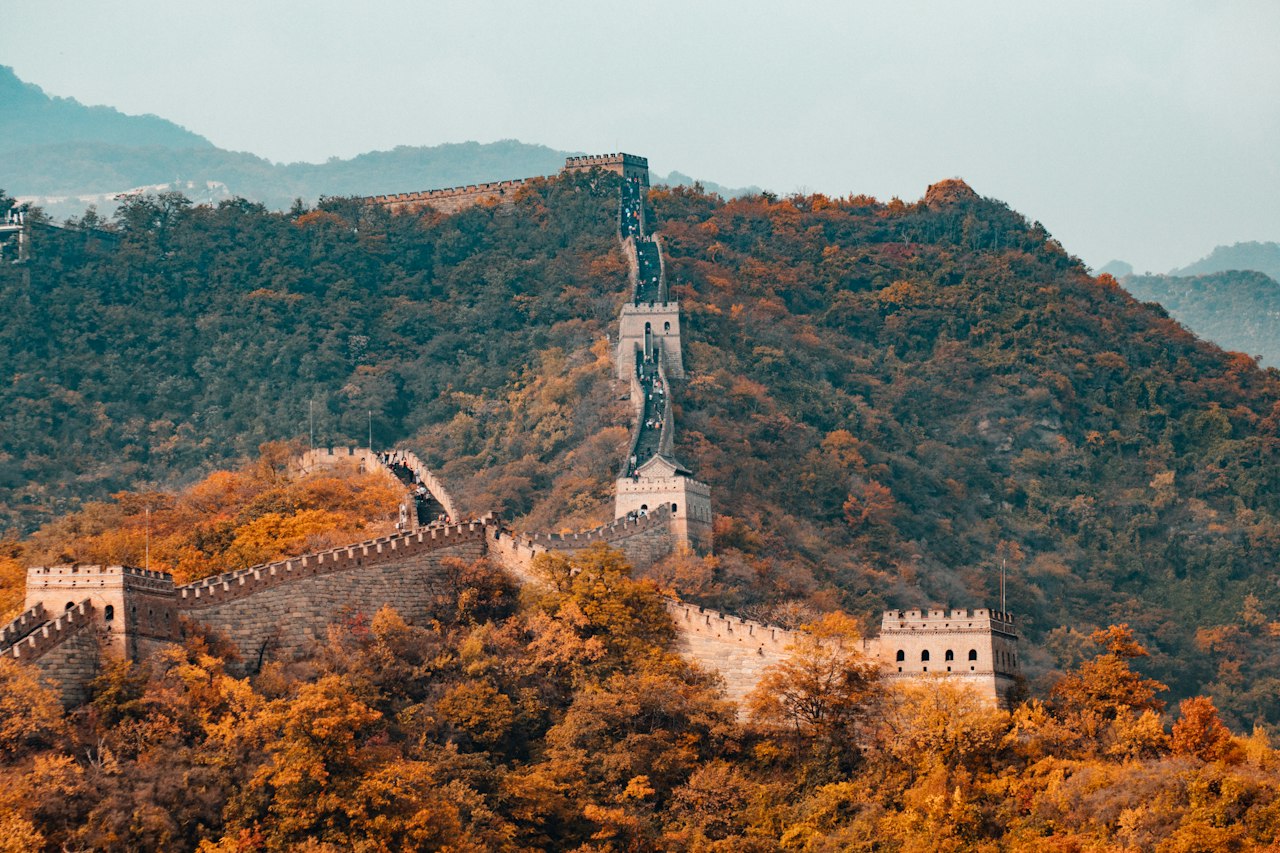
束河古镇与青龙古石桥 Shuhe Ancient Town & Qinglong Bridge
纳西语称“绍坞”,意为“高峰之下的村寨”。束河是纳西族先民从农耕文明走向商业文明的重要发祥地,也是茶马古道上著名的皮匠之乡与马帮枢纽。建于明代的青龙桥为丽江境内最大的石拱桥,古桥石面磨损凹陷的马蹄痕见证了无数驮马商队的征程;九鼎龙潭清泉喷涌,垂柳依依,相比大研多了一份田园沉静。 Known in Naxi as 'Shaowu', meaning 'village below the high peak'. Shuhe is celebrated as the cradle of Naxi leather craftsmanship and caravan transport. Its 400-year-old Qinglong Bridge features deep, polished indentations etched into stone by centuries of laden pack animals. The crystal Jiuding Dragon Pool reflects weeping willows and snow-capped peaks in quiet repose.

白沙古镇与大宝积宫壁画 Baisha Ancient Town & Baisha Murals
白沙古镇是纳西木氏土司的原始发祥地与政治中心,至今保持着最原汁原味的纳西古村风貌。大宝积宫与琉璃殿内珍藏的明代壁画,由汉族、藏族、白族画师与东巴祭司共同历经三百年绘就。壁画打破宗教藩篱,将佛教显密诸尊、道教神仙与东巴神灵共绘于同一殿堂,色彩古朴,线条灵动,堪称世界宗教艺术史上的罕见瑰宝。 The ancestral settlement and original power center of the Mu Tusi clan. The Ming Dynasty murals in Dabaoji Palace and Liuli Hall were painted collectively over three centuries by Han, Tibetan, Bai, and Naxi Dongba artists. In an extraordinary ecumenical synthesis, figures from Mahayana and Tibetan Buddhism, Taoism, and indigenous Dongba cosmology coexist on the same walls.